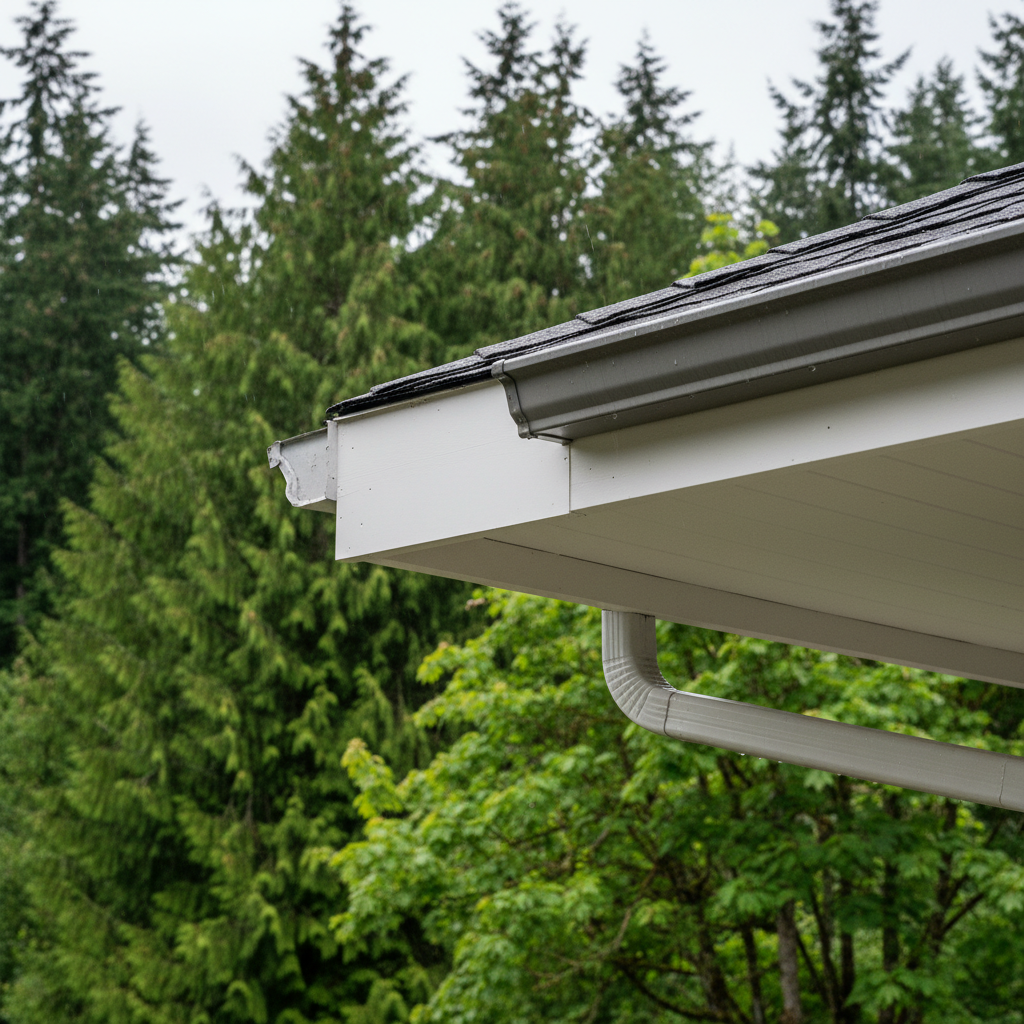
What exactly is a soffit, and why do I even need it?
Alright, let's start with the basics, because it's surprising how many folks don't really know what a soffit is or why it's so important. Simply put, your soffit is the finished surface right underneath your roof's eaves. Think of it like the underside of the overhang. It's not just there to look pretty, though a good-looking soffit definitely adds to your home's curb appeal. Its main job, though? Ventilation. Most soffits have little vents that let air flow into your attic. This helps keep the temperature steady and stops moisture from building up. Without proper attic ventilation, you're looking at potential mold, mildew, and even damage to your roof decking. Oh, and it also keeps pests out of your attic – squirrels, birds, and even wasps just love finding their way into unprotected eaves, don't they?
What are the common signs my soffits need repair?
You'd be surprised how often I see homeowners overlook soffit issues until they're pretty bad. The most obvious sign is visible damage: cracks, holes, or sections that are clearly rotting or sagging. If you see paint peeling or blistering on your soffits, that's often a sign of moisture getting in, which is a big red flag. Another common indicator is pest activity. If you're hearing scratching in your attic, or seeing birds or insects going in and out of your eaves, check your soffits. They might have found an entry point there. And don't forget about water stains. If you notice discoloration on your soffits, especially after a good Kent rain, that means water's getting where it shouldn't be, likely from a gutter problem or a roof leak.
Can I just patch a small hole or do I need to replace the whole section?
This is a question I get a lot, and the answer really depends on how bad the damage is. For very small holes, say from a rogue baseball or a minor pest entry, you might be able to patch it up with some wood filler or a small piece of matching material, then paint over it. But here's the kicker: you need to understand *why* the hole is there. If it's from rot, patching won't fix the underlying problem. You'll need to cut out the rotted section and replace it with new, treated material. If the damage is extensive, covers a large area, or if multiple sections are compromised, then replacing the entire section – or even a longer run of soffit – is usually the smarter, more durable solution. Don't just cover up a problem; fix it right.
What materials are commonly used for soffits, and which is best for Kent's weather?
You'll typically find soffits made from a few different materials. Aluminum is super popular; it's lightweight, tough, and doesn't rot or rust. Vinyl is another common choice, similar to vinyl siding, it's low maintenance and comes in various colors. You also see a lot of wood soffits, especially on older homes in areas like the East Hill neighborhood. Wood looks great, but it needs regular painting and sealing to stand up to our wet Pacific Northwest climate. Fiber cement is another durable option, resistant to rot and pests. For Kent, with its consistent rainfall and damp conditions, I generally recommend aluminum or vinyl. They hold up incredibly well to moisture and require far less maintenance than wood, saving you time and money in the long run. Fiber cement is also a solid choice if you're looking for something that can take a beating.
How long does a typical soffit repair take, and can I do it myself?
The time it takes for a soffit repair varies wildly depending on the damage. A small patch might take an hour or two. Replacing a full section due to rot or pest damage could be a half-day job, especially if you're dealing with multiple pieces or need to match existing ventilation. As for doing it yourself, if you're comfortable working on a ladder, have the right tools, and know how to safely cut and install materials, a small repair is definitely doable. Just make sure you're using proper safety equipment and understand how to work with the specific material. However, if the damage is extensive, involves structural elements, or you're just not comfortable on a ladder, I'd strongly suggest calling in a professional. It's not just about getting the job done; it's about getting it done safely and correctly so it lasts. We've seen plenty of DIY attempts that end up costing more to fix later.
What role do my gutters play in soffit damage?
Your gutters play a huge role in keeping your soffits healthy, probably more than you realize. Think about it: your gutters are designed to collect all that rainwater from your roof and direct it away from your house. If your gutters are clogged, damaged, or improperly installed, that water has nowhere to go but over the sides. When water consistently overflows, it cascades down your fascia boards and directly onto your soffits. This constant dampness is a perfect recipe for rot, mold, and mildew, especially if your soffits are wood. It's why I always tell folks that gutter maintenance isn't just about protecting your foundation; it's critical for your soffits and fascia too. A good, clean, free-flowing gutter system is your soffit's best friend. That's why when we're out on a job for Top Notch Gutters, we're always looking at the whole system, not just one part.
What's the difference between soffit and fascia repair?
It's easy to get these two confused because they work together and are often damaged at the same time. The fascia board is the long, straight board that runs along the edge of your roof, directly behind your gutters. It's what your gutters are typically attached to. The soffit, as we talked about, is underneath the eaves, perpendicular to the fascia. So, the fascia is the vertical board, and the soffit is the horizontal board underneath. When I'm talking about fascia repair, I'm usually dealing with issues like rotting wood where the gutters attach, or damage from ice dams. Soffit repair, on the other hand, often involves fixing ventilation issues, pest entry points, or water damage that's seeped in from above or splashed up from overflowing gutters. They're both critical components of your roofline, and damage to one often leads to problems with the other, so we always inspect both when we're up there.