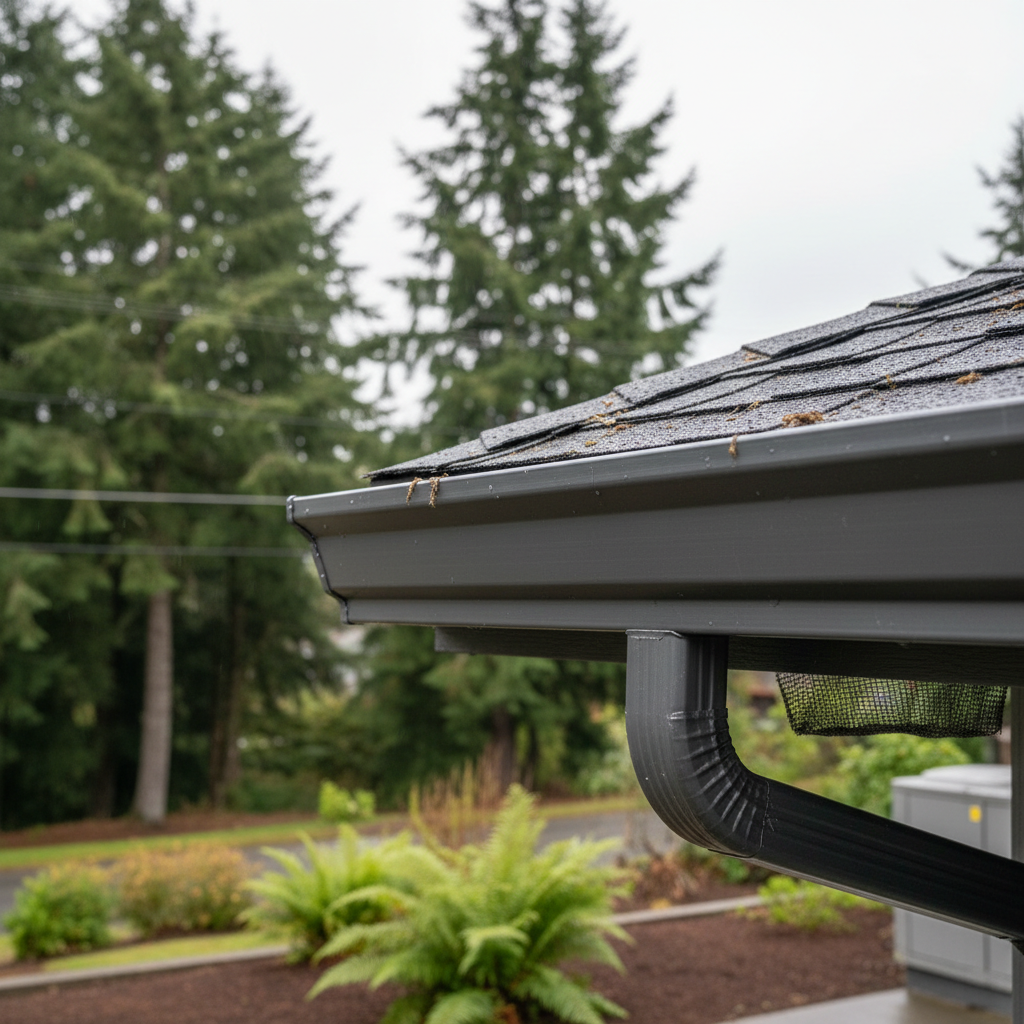
Gutters aren't exactly glamorous, are they? But ignore 'em, and you're asking for trouble: foundation issues, rotting fascia, leaky basements. Here in Kent, with our Pacific Northwest rain, a good gutter maintenance plan isn't just a suggestion, it's essential. I've seen too many homes with water damage that could've been avoided with a little preventative care. So, let's talk about what you need to do to keep your gutters flowing, and when it's time to pick up the phone.
Before You Start: Prep Work & Safety First
Before you even think about climbing a ladder, you've got to get prepared. Safety isn't a joke, especially when you're working up high. First, make sure you have a sturdy extension ladder. Don't use a rickety old step ladder for this; you need one that's tall enough to comfortably reach your gutters without stretching. Check its stability on the ground – soft, wet soil, common in areas like the East Hill, can be tricky. Lay down a piece of plywood if you need a more stable base.
You'll also want some good work gloves. Trust me, you don't want to dig through wet, slimy leaves and pine needles with bare hands. A small plastic scoop or trowel can help, or even an old garden hose with a spray nozzle. A bucket to collect the gunk you pull out is a must, too. And wear old clothes; this job is messy.
Take a walk around your house. Look for any obvious signs of trouble: sagging sections, disconnected downspouts, or overflowing gutters during a light rain. This initial inspection gives you a heads-up on what you might encounter.
During the Project: DIY Cleaning & Inspection
Okay, you're geared up. Now for the actual cleaning. Start at one end of your house and work your way around. Carefully climb your ladder, making sure it's secure. Never overreach; it's better to move the ladder often than to risk a fall. Scoop out all the leaves, twigs, and muck you can. Pay special attention to downspout openings – these are notorious for getting clogged. You'll often find a real mess right where the downspout connects to the gutter.
Once you've cleared the bulk of the debris, grab your hose. Flush water down the gutter toward the downspout. Watch how it flows. Does it drain freely? Or does it pool up? If it pools, you might have a section that's not pitched correctly, or there's still a blockage you missed. If water backs up at the downspout, you've got a clog further down. You can try to dislodge it with the hose, or sometimes a plumber's snake can do the trick for really stubborn clogs.
While you're up there, take a close look at the gutters themselves. Are there any loose hangers? Are the seams sealed properly? Are there any small holes or cracks? These are things you can often patch yourself with gutter sealant, which you can find at any hardware store.
After the Project: When to Call Top Notch Gutters
You've done the dirty work, and hopefully, your gutters are flowing freely. But there are times when DIY just won't cut it, and that's when you need to call in the pros. Don't feel bad about it; some jobs are just too big or too dangerous for a homeowner to tackle.
- Persistent Clogs: If you've tried flushing and snaking, and that downspout still won't drain, it's time to call us. We've got specialized tools to clear those deep, stubborn clogs that are out of reach for a homeowner.
- Major Repairs: If you find significant damage like large holes, detached sections, or fascia board rot, that's beyond a simple patch job. We can assess the damage and make the necessary repairs or even recommend replacement sections.
- Height & Safety Concerns: Some homes, especially two-story houses with steep roofs, are just too dangerous for DIY gutter cleaning. If you're not comfortable on a ladder, or if your roof pitch makes it risky, please, call us. Your safety is worth more than saving a few bucks.
- Gutter Guards: If you're tired of cleaning your gutters every year, you might want to consider gutter guards. We can install systems that significantly reduce the amount of debris that gets into your gutters, saving you time and hassle in the long run.
- Full System Replacement: If your gutters are old, corroded, or constantly failing, it might be time for a full replacement. We can come out, give you an honest assessment, and provide options for new, more efficient systems.
Regular maintenance, even if it's just a yearly clean-out, will extend the life of your gutters and protect your home from water damage. Do what you can safely, and don't hesitate to call Top Notch Gutters when you need a hand. We're here to help keep your Kent home dry and sound.