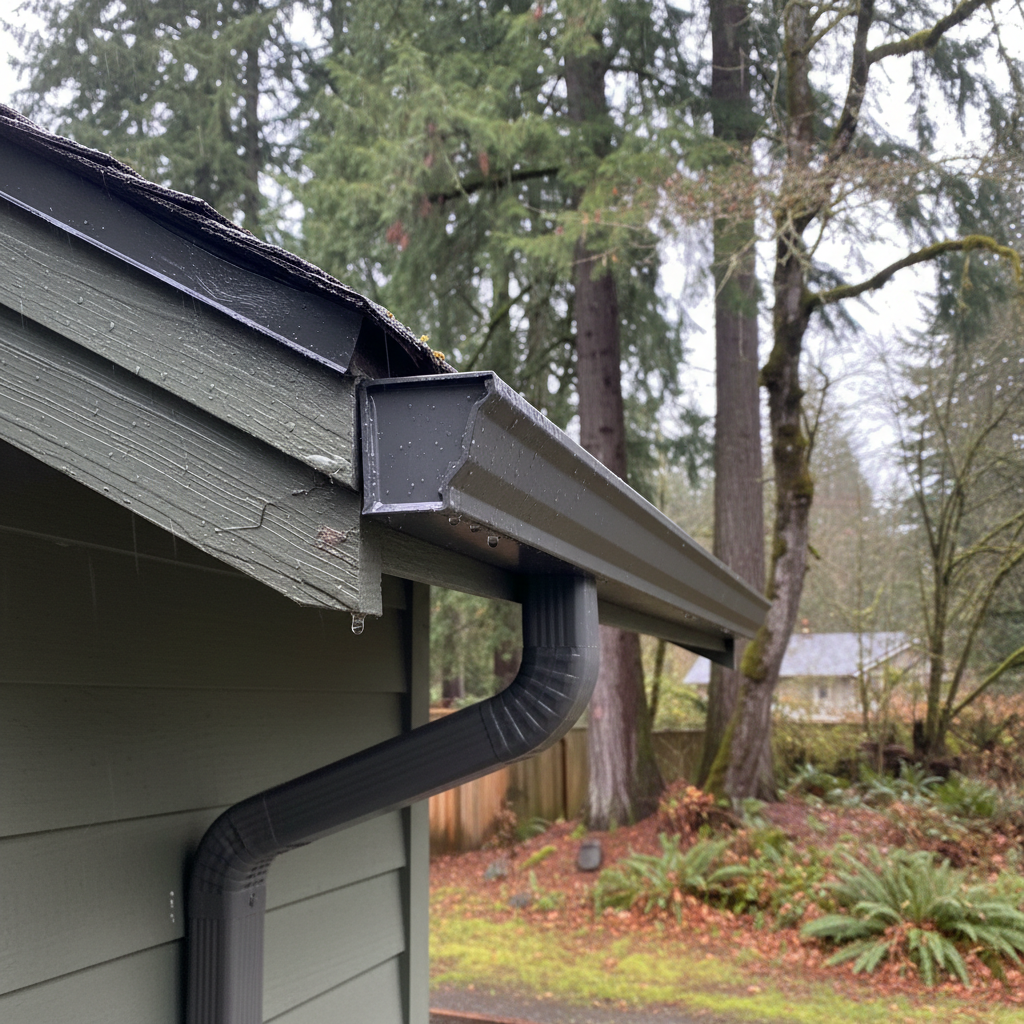
Your gutters are shot, huh? Happens to the best of us, especially with the kind of weather we get here in Kent. When they're leaking, overflowing, or just plain falling apart, you're probably wondering, "Can I just replace these myself, or do I need to call someone?" It's a fair question, and the answer isn't always black and white. Let's break down what you need to know about gutter replacement, from start to finish.
Before You Start: The Planning Stage
First off, are you sure you need a full replacement? Sometimes, a few patch jobs or re-sloping sections can buy you more time. But if you're seeing widespread rust, separated seams, significant sagging, or your gutters are just too small for the amount of rain we get, replacement is probably the right call. You'll want to take a good look at your existing system. What's the material? Aluminum, steel, copper, vinyl? Most homes around here, especially in older neighborhoods like those near Lake Fenwick, have aluminum or galvanized steel. Aluminum is popular for a reason – it's lightweight, rust-resistant, and relatively easy to work with.
Next, consider the type and size. K-style gutters are common, but half-round might suit an older, more traditional home. More importantly, think about the size. Standard 5-inch gutters are fine for many homes, but if you've got a large roof area or a steep pitch, 6-inch gutters might be a much better investment. They handle more water, which is crucial when we get those heavy winter downpours. You don't want water overflowing your new gutters the first big storm we get.
Now, the big question: DIY or pro? If you're comfortable on a ladder, have experience with power tools, and you're only replacing a short, straight section on a single-story home, you might be able to do it yourself. You'll need to measure carefully, buy the right materials (gutters, downspouts, hangers, end caps, sealant, fasteners), and rent or buy a few specialized tools like a crimper for downspouts. But for anything more complex – multi-story homes, lots of corners, or if you're not confident working at heights – seriously, call a professional. It's not just about getting the job done; it's about getting it done safely and correctly so it actually protects your home.
During the Project: What to Expect
Whether you're doing it yourself or hiring Top Notch Gutters, the process generally follows a few steps. First, the old gutters come down. This can be messy, especially if they're full of leaves and debris. If you're DIYing, make sure you have a plan for disposal. Old metal gutters can often be recycled.
Then comes the fascia inspection. This is critical. With the old gutters off, you get a clear look at your fascia boards. If you see any rot or damage, you absolutely need to address that before new gutters go up. New gutters on rotten fascia won't last long; they'll just pull away. If you find significant rot, that's another strong argument for bringing in a pro, as fascia repair can be tricky.
Installation involves attaching new hangers, then the gutter sections, making sure they have the proper slope towards the downspouts – usually about 1/4 inch per 10 feet. This isn't just a guess; it needs to be measured precisely so water drains properly. Sections are joined and sealed, end caps are installed, and then the downspouts are connected. If you're doing this yourself, remember to wear appropriate safety gear, especially when you're up on a ladder. A fall isn't worth saving a few bucks.
After Installation: Keeping Them Working
Once your new gutters are up, your job isn't entirely done. You've got to maintain them. Even the best gutters will fail if they're clogged. That means regular cleaning. How often? It depends on your trees. If you've got a lot of big maples or firs around your house, you might need to clean them a couple of times a year. If you've got fewer trees, maybe once a year is enough. Spring and fall are usually good times to check.
Consider gutter guards. There are all sorts of options out there, from simple screens to more advanced solid covers. They're not a magic bullet – you'll still need to clean them occasionally – but they can significantly reduce the frequency of full gutter cleanings. It's an investment that can save you a lot of time and hassle down the road. Make sure whatever guards you pick don't interfere with water flow or create new problems.
Finally, keep an eye on them. After a big storm, or even just every few months, take a walk around your house. Look for any signs of leaks, sagging, or detached downspouts. Catching small problems early can prevent them from turning into big, expensive repairs. Your gutters are your home's first line of defense against water damage, so treating them right after replacement is just as important as the installation itself.
```