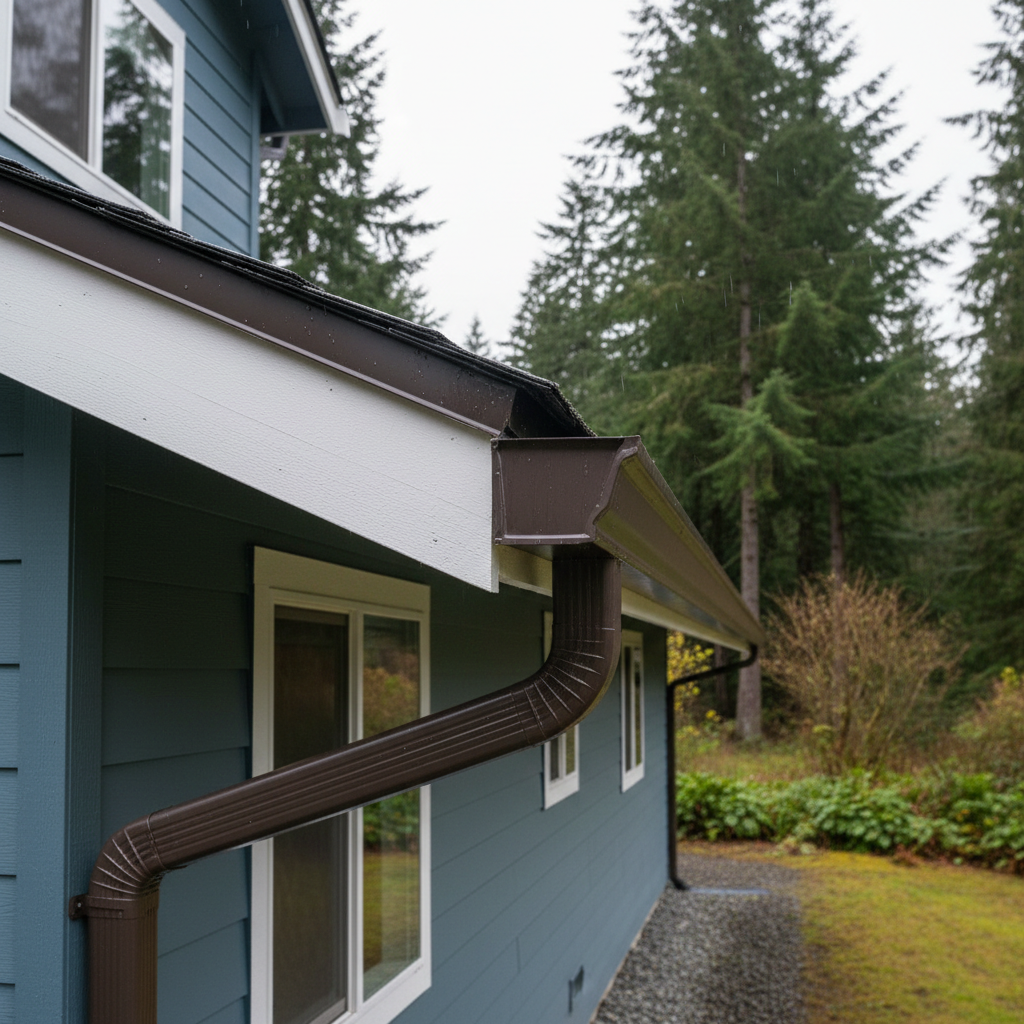
Your home's fascia boards aren't just for looks; they're a critical part of your roof and gutter system, protecting your rafters and attic from the elements. Here in Kent, with our generous rainfall and damp climate, keeping an eye on them isn't just a good idea, it's essential. I've seen firsthand what happens when fascia gets neglected, and believe me, it's never pretty or cheap to fix.
Understanding the Kent Climate Challenge
Our weather patterns around Puget Sound are unique. We get a lot of rain, sure, but it's often that persistent, drizzly kind that soaks into everything. Then you've got the freeze-thaw cycles in winter, especially if you're up in areas like the East Hill, which can really stress wood. This constant moisture exposure means your fascia boards are always working hard. They're the front line against water intrusion, and if they fail, that water can get into your roof decking, attic, and even your walls, leading to rot, mold, and structural damage.
Regular Maintenance: Your Best Defense
Keeping your fascia in good shape isn't rocket science, but it does require a little attention. The biggest thing you can do is keep your gutters clean and functioning properly. Clogged gutters overflow, and that water cascades directly over your fascia, saturating the wood. If you've got cedar or fir fascia, which is common around here, it'll absorb that water like a sponge. Make sure your downspouts are clear and directing water away from your foundation.
- Clean Gutters Regularly: I'd say at least twice a year, maybe more if you have a lot of mature trees nearby. If you're seeing moss growing in your gutters, that's a sure sign they're holding water and need attention.
- Check for Paint Peeling or Cracking: The paint on your fascia isn't just cosmetic; it's a protective barrier. If it's peeling or cracked, water can get in. Touch up or repaint as needed.
- Inspect for Gaps: Look where the fascia meets the roofline and where it meets the siding. Any gaps can be entry points for water, insects, or even small critters. A little caulk can go a long way here.
- Look for Moss or Algae Growth: This is a big one in our damp climate. Moss and algae retain moisture, keeping the wood wet for longer. Gently brush it off and consider a mild, eco-friendly cleaner to prevent regrowth.
A quick walk around your house a few times a year, especially after heavy rains or strong winds, can save you a lot of headaches down the road. Just look up!
Warning Signs You Can't Ignore
Sometimes, despite your best efforts, problems pop up. Knowing what to look for can help you catch them before they turn into major repairs.
- Discoloration or Staining: Dark streaks or stains on your fascia, especially below your gutters, almost always mean water is overflowing or leaking.
- Soft Spots: Gently press on the fascia with your finger or a screwdriver. If it feels soft or spongy, you've got rot. This is a clear sign that water has been getting in for a while.
- Warping or Cupping: If the wood is bending or twisting, it's likely due to prolonged moisture exposure and repeated drying cycles.
- Pest Infestation: Carpenter ants, termites, and other wood-boring insects love damp, rotting wood. If you see sawdust trails, tiny holes, or actual bugs, it's a red flag.
- Sagging Gutters: If your gutters are pulling away from the fascia, it often means the fascia boards themselves are rotting and can no longer hold the gutter spikes securely. This is a serious issue that needs immediate attention.
Don't ignore these signs. A small soft spot can quickly become a large section of rotted wood, compromising the integrity of your roof edge.
Extending the Life of Your Fascia Repair
Let's say you've had some fascia repaired or replaced. How do you make sure that new work lasts? It comes back to diligent maintenance and good installation practices.
First, ensure that any new wood is properly primed and painted on all sides, including the edges that butt up against other materials. This 'back-priming' is crucial for moisture protection, especially in our climate. Use high-quality exterior paint designed for moisture resistance. Second, make sure the repaired section integrates seamlessly with your gutter system. If the gutters aren't sloped correctly or are still prone to clogging, that new fascia will be under attack again in no time.
Consider installing gutter guards if you have a lot of tree debris. They won't eliminate cleaning entirely, but they can significantly reduce how often you need to get up there. Also, keep an eye on your roof shingles near the edge. If they're old or damaged, they might not be shedding water effectively into the gutters, leading to splash-back onto the fascia.
When to Call a Professional
You can handle a lot of the basic maintenance yourself, but there are times when it's smart to bring in the pros. If you're seeing widespread rot, structural damage, or if the problem is beyond a simple paint touch-up, that's our cue.
If you're uncomfortable on a ladder, or if the damage is high up or extensive, don't risk it. We've got the right tools and expertise to safely assess and repair the damage. Sometimes, what looks like a small issue on the surface can be a much bigger problem underneath, especially with hidden rot. When it comes to your home's exterior, you want the job done right to protect your investment. Here at Top Notch Gutters, we're not just about gutters; we understand how they interact with your entire roofing system, including those crucial fascia boards. We can tell you if it's a simple fix or if you need a more extensive repair to keep your Kent home protected.